I Used Corporate Comms Strategy at a Pop Concert — And It Worked
11/3/20253 min read
Last month, I got Sabrina Carpenter to blow me a kiss, tell me she loves me and gasp—all within a five-minute span at her sold-out concert.
This wasn't luck. It was strategic communications in action.
Yes, I'm talking about a pop concert. But the framework I used to earn those moments of connection is the same one I use every day in corporate communications.
Start With a Clear Goal
I’ll be honest about what I was going for. I’m a real fan of Sabrina Carpenter. Yes, me—a butch lesbian—is a big fan of a pop singer who writes almost exclusively about men and hyperfemininity. But I love her music, and I love that she openly supports trans rights. This wasn’t about clout or content. It was about a real moment of connection and appreciation.
In communications terms, this is your "why." Are you trying to inform? Persuade? Relationship build? Celebrate? My goal was relationship-building and appreciation—which shaped every decision that followed.
Know Your Audience (And Their Values)
Sabrina Carpenter has been vocal about LGBTQ+ rights and has cultivated a fanbase that celebrates authenticity and inclusivity. She regularly interacts with fans holding signs during her shows, particularly those in the pit who position themselves strategically along the barricade.
This wasn't guesswork; this was audience analysis. I knew what mattered to her, what would resonate and where she'd be looking.
Craft Your Message With Intention
I brought two signs to the concert each with a distinct strategic purpose.
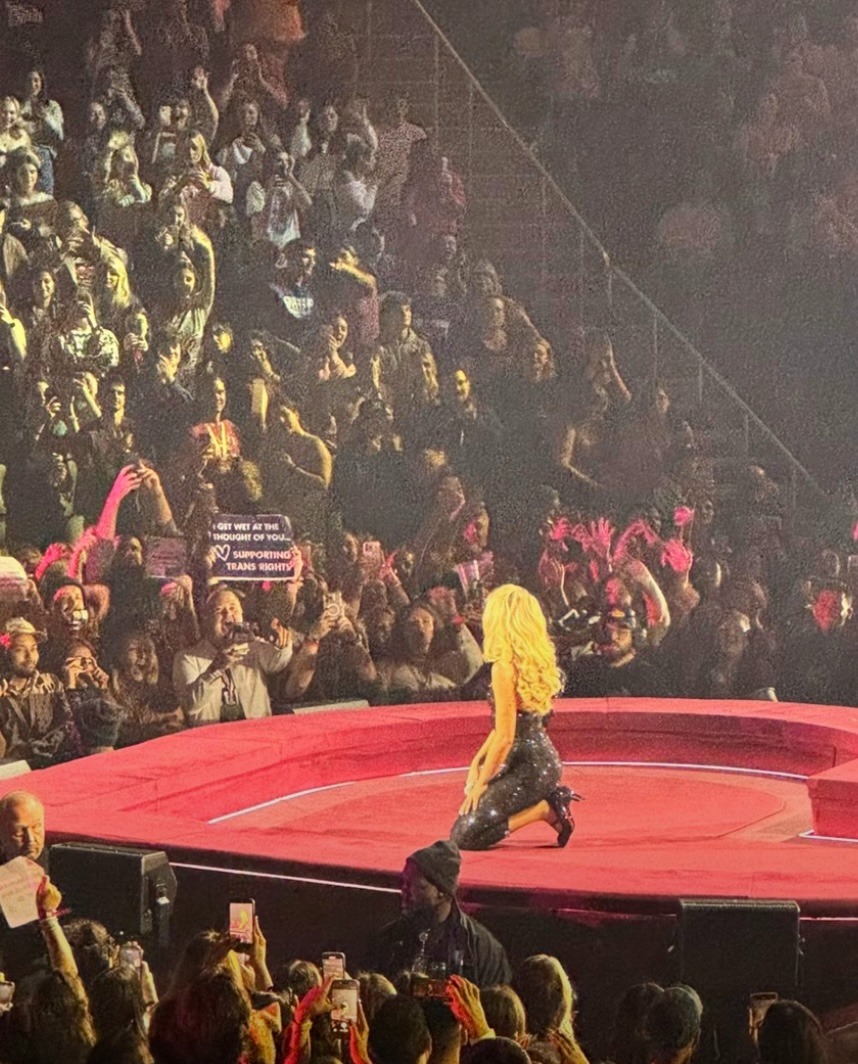
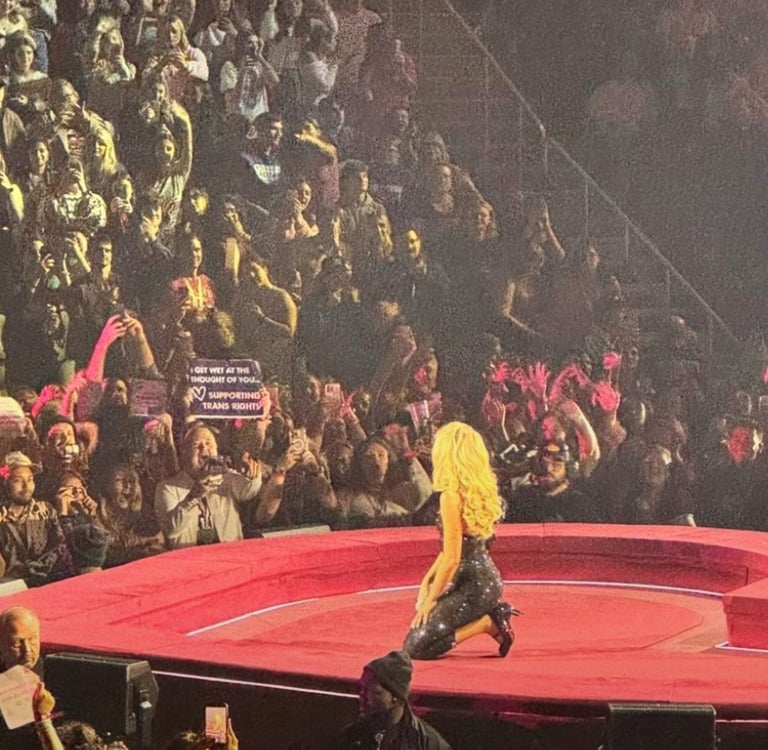
Sign 1: "I get wet at the thought of you supporting trans rights"
This one riffed on a Sabrina Carpenter lyric—"I get wet at the thought of you being a responsible guy"— and nailed her trademark mix of humor and confidence. By tying that playful tone to a cause she openly supports, it felt cheeky, clever, and genuinely aligned with her values.
Sign 2: "I love Lehigh Valley girls" with a photo of Sabrina and my wife (both from the Lehigh Valley)
This created a personal connection—hyperlocal, specific and unexpected enough to stand out. It wasn't generic fandom; it was a deeply specific point of connection that could only come from genuine knowledge and care.
The result? Sabrina blew me a kiss and said "I love you" at the first sign, and gasped at the second sign.
The messages landed exactly as intended. It came from the personal, hyper-specific nature of the connection—a perfect parallel for highly effective executive communications that avoids generic statements and creates genuine resonance instead.
Medium Matters: Elevate Your Format
Here's where my comms brain really kicked in: I didn't use a Sharpie on glossy posterboard that would’ve reflected every overhead light in the room. I designed both signs in Canva with thoughtful typography, color choices and branding that felt cohesive with the aesthetic of her tour. The cherry on top? I printed them on quality cardstock.
Why? Because the medium—the physical format and design of your message—is part of the message itself. A polished, professional-looking sign signals effort, intentionality and respect for the audience (in this case, Sabrina). It increases the likelihood of being noticed in a sea of homemade signs.
In traditional comms, it's the difference between a press release, an infographic, a video or a handwritten note. Each format carries its own weight and signals different things about your message and your intentions.
Channel Strategy: Being Where Your Audience Is
I didn't just show up and hope for the best. I got to the pit early and positioned myself exactly where Sabrina always pauses to take in the crowd—that rare, still moment before the chaos kicks back in.
In traditional comms terms, it's like knowing whether your CEO should do a LinkedIn post, a TV interview or a town hall. The message might be similar, but the channel determines whether it lands. You can have the perfect message in the perfect format, but if it's delivered through the wrong channel—or positioned where your audience won't see it—it might as well not exist.
The Takeaway
Whether you're pitching to a journalist, drafting executive remarks or trying to get Sabrina Carpenter's attention in a sold-out arena, the principles are the same:
Start with a clear goal that guides all your decisions
Understand your audience and what they care about
Craft a message that resonates with their values and interests
Choose the right medium to elevate how your message looks and feels
Select the right channel to position your message where it will be seen
Execute with polish because details matter
Good communication is about preparation, intention and understanding how all these elements work together.
And sometimes, it results in a kiss blown from one of the biggest pop stars in the world.
PS: After the show, I asked the 6-foot tall man in front of me to send his video capturing the moment, which I posted on TikTok (and was then sent different angles of the interaction as seen above). While I hadn't set out to go viral, the fact that the moment was authentic enough to resonate beyond the arena? That's the ultimate proof that strategic, values-aligned communication works.